On a gloomy monsoon evening, sipping ginger tea and reading my journal notes, I came across thoughts written with each given a Roman numeral as points, so similar to the fifth standard notes I murmured to myself. Reading them in the order they were written, I felt as if I were trying to bring order to the most bizarre, ambiguous subjectivity: the language of the mind (read: thoughts).
The thoughts were particularly about my father and my aunt, his elder sister and my deeply opinionated comments in the form of thoughts listed, criticising their respective generous behaviours; and how they reciprocated with benevolence when life presented them with opportunities on various occasions.
My grief, not being able to find a space, has now moved into the realm of a critic; perhaps, by doing so, it was perhaps making another futile attempt to reduce the intensity of losing these two precious souls.
You find faults so the brain can tell the aching heart that what was lost also had its share of shortcomings. And that you are not robbed, standing bankrupt in the sea of relations.
Some lies are a must to survive when left behind!
Dozing off listening to a poem recited by Harry Styles, Dream with Me, I had almost entered the realm of a deep slumber when the phone rang, and I was forced to set aside my annoyance and attend to it.
A distant cousin from a remote town in Karnataka was on the other end, someone I met barely three to five times during my childhood and teenage years; now, after thirty years, was trying to reconnect. I was curious and extremely pleased as she spoke with kindness and sincere concern, asking about me, my mother, and our life after the loss of so many on the paternal side of our family, including my father and aunt.
We spoke for more than an hour, and the topics kept shifting from the present to our childhood memories, including our visit to their humble home in a remote town in a small district and theirs to ours, both for the marriage events of several of our elder cousins.
We both reminisce about the past, our similar coy attitude amidst the group and the struggle to find space among the gregarious, ambitious cousins.
I realised the pattern of being left behind was not new to me.
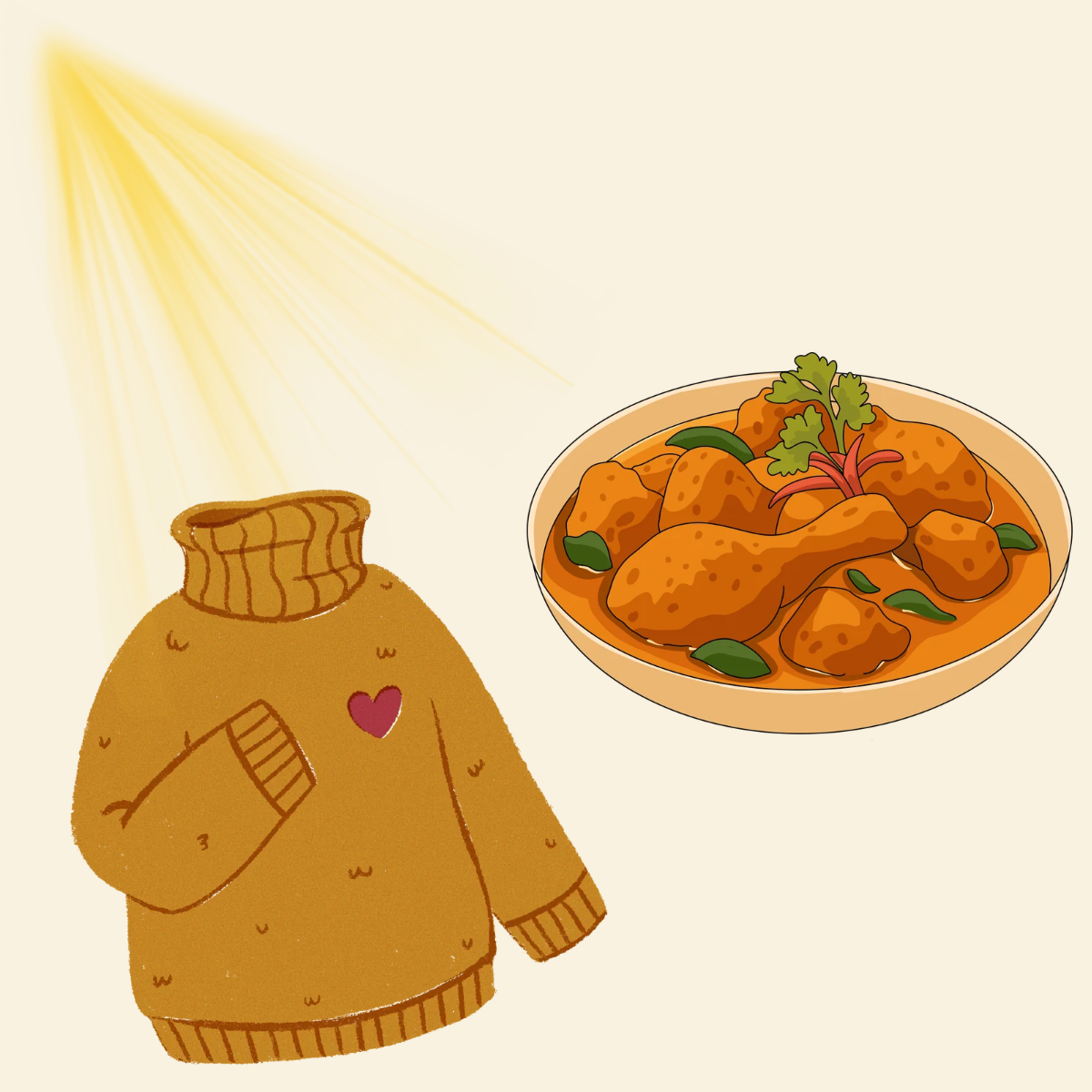
She recalled an event when our aunt hosted her family, and they were treated to a sumptuous lunch featuring a very famous chicken curry from those times, when chicken was considered a luxury and prepared only on special occasions. As an adolescent, she was delighted to be introduced to a dish she had never tasted in her 15 years of life, and her humble status kept her from asking for another helping.
I could hear a lump in her throat when she said Aunt was the first one to have treated her and the entire family to such luxury, and she closed it with a sigh and a short prayer for her soul.
Late into the night ,arranging my father’s countless hangers, ties, shoes, dinner jackets, sherwanis, and tuxedos, I was reminded of the Hairat Allahabadi (1835–1892) this particular sher;
آگاہ اپنی موت سے کوئی بشر نہیں
سامان سو برس کا ہے، پل کی خبر نہیں
Aagah apni maut se koi bashar nahin,
Saamaan sau baras ka hai, pal ki khabar nahin.
Meaning: No human being knows when death will arrive. We make preparations as though we have a hundred years ahead of us, yet we have no assurance of even the next moment.
From his woollen wear, I picked his favourite biscuit-brown sweater to give, then saw a small hole creased in it, patched with a heart symbol; mother must have done it, so I wouldn’t learn he’d been smoking and hiding from me.
I was reluctant to part with it, and then, at a common winter gathering, walking to the parking lot, I met a cousin of his; he was one of those insignificant figures found in every family, part of the crowd but almost always standing behind, as economics dictates.
I said my salaam and saw he was clasping his hands beneath each shoulder to protect himself from the chill outside.
The next day, he received a parcel of my father’s woollen wear, including dad’s favourite biscuit -brown sweater.
I slowly turned the journal pages until I came across the same Roman numeral points; a reread was unnecessary. With a gel pen, I struck each one.
I decided to let my father and aunt shine through the torn sweater and chicken curry.
Warmly,
Mehnaz Amjad
Leave a Reply